-CMYK-Logo.png)
-CMYK-Logo.png)
Minneola Tangelo Trees for Sale
Citrus made easy for growers, nurseries, and distributors
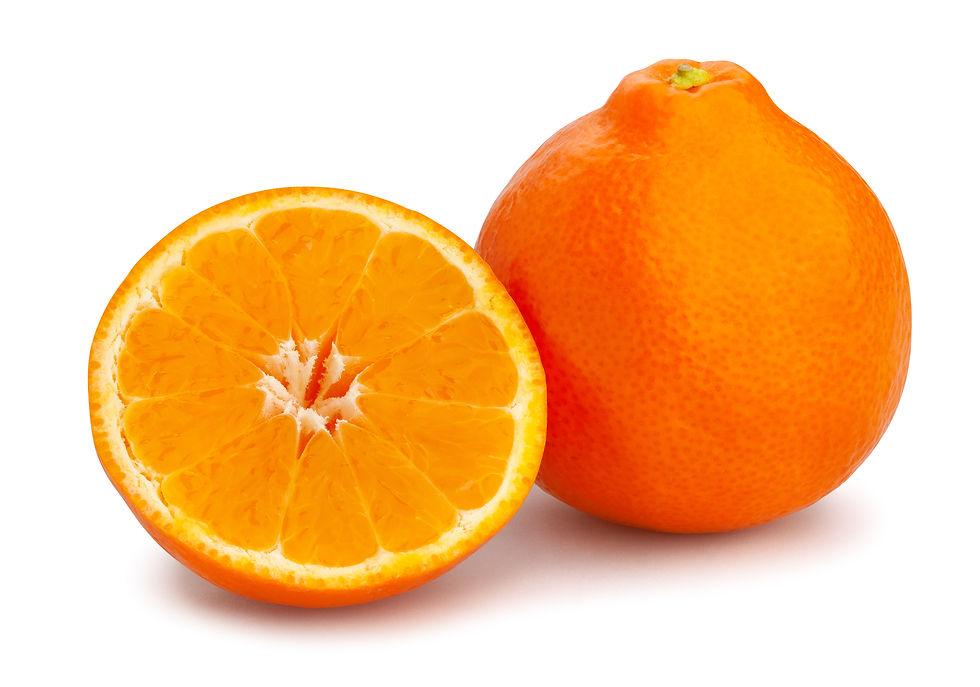
The Minneola tangelo tree, available from TreeSource Citrus Nursery, is a prized addition to any citrus enthusiast’s garden. A hybrid of the Duncan grapefruit and Dancy tangerine, the Minneola tangelo—often called a “Honeybell” due to its distinctive bell shape—offers a unique blend of sweet and tangy flavor. Most fruit are seedless and very juicy, but can be a bit tart for those looking for sweeter fare.
See Other Citrus Trees By Variety

Minneola Tangelo


Eustist Limequat
Oroblanco
Yuzu
Tavares Limequat
Chandler Pummelo

Valentine Pummelo

Fukushu

Frost Owari

Buddha Hand

Meiwa

Honey

Tahitian Pomelo

Nagami

Cocktail Grapefruit

Indio Mandarinquat


Calamondins

Variegated Calamondins

Nordmann Seedless Nagami
Clem Nules

Dancy Tangerine

Minneola Tangelo Trees Your Way
From seed to container-ready.


How Our Minneola Tangelo Trees Are Different
When purchasing Gillette navel orange trees from TreeSource, growers receive clean-propagated, true-to-type material from verified budwood sources. We emphasize uniformity, strong root development, and early structure so trees establish quickly and grow evenly. Shipping is handled in heavy-duty palletized triwall containers designed to secure pots and protect canopies, ensuring trees arrive healthy, stable, and ready to plant.
For orchardists and collectors seeking a classic California navel with heirloom pedigree, the Gillette orange offers a balanced, true-navel eating experience and a reliable mid-season harvest window. Whether planted in commercial rows, boutique groves, or heritage blocks, Gillette connects growers to the foundational era of California citrus — supported today by TreeSource’s clean stock program and professional handling to ensure healthy establishment and long-term success.
Minneola Tangelo Tree FAQs
What is the estimated lead time for a large-volume order of Minneola trees?
Most of our agricultural or nursery customers know that ordering one year in advance for our Large Pot trees is important. For Citrus Liners or Small Pots, we recommend 4-6 months of lead time. It’s always advisable to connect with the sales team, as they may have trees available that are not listed on the website.
How resistant are Minneola tangelo trees to common pests and diseases?
Minneola tangelo trees have moderate resistance to common pests and diseases, but like most citrus trees, they still require attentive care to stay healthy. While they are not particularly pest-resistant, they can tolerate minor infestations if managed promptly.
These trees are susceptible to typical citrus pests such as aphids, which feed on the sap of new growth and can transmit disease. Citrus leafminers may also be a problem, as their larvae burrow into the leaves and cause visible curling and distortion. Scale insects are another concern, as they weaken the tree by sucking sap and can lead to the development of sooty mold. If the tree is allowed to be in moisture stress, spider mites may appear, causing stippling or bronzing on leaves. Whiteflies, which secrete honeydew, can contribute to mold growth as well.
In terms of disease resistance, Minneola tangelo trees are moderately resilient but not immune. They can be affected by Phytophthora root rot, which can develop if the soil is poorly drained or overly wet. One of the most serious threats is citrus greening, also known as Huanglongbing or HLB, a bacterial disease spread by the Asian citrus psyllid. There is currently no cure for HLB, so prevention is key.
What type of inspections do your trees undergo to ensure their quality and disease-free status?
Citrus trees are highly regulated because of their sensitivity to graft transmissible or insect vectored diseases. The USDA visits TreeSource every month to ensure the facilities meet the standards for shipment. In addition, TreeSource is part of CDFA’s clean stock program and uses budwood from CDFA-certified sources grown in inspected, APHIS-approved, insect-resistant structures. These structures are greenhouses and screenhouses with positive pressure entrances called “vestibules,” which prevent insects from entering.
What rootstock is commonly used for Minneola tangelo trees, and how does it impact their growth and fruit production?
Minneola tangelo trees are commonly grafted onto rootstocks such as Carrizo citrange, Trifoliate orange, or Swingle Citrumelo, each offering specific advantages depending on the growing conditions.
Carrizo citrange is one of the most widely used rootstocks due to its vigor, disease resistance, and adaptability to a range of soil types. It promotes strong growth and high fruit yield, making it a popular choice for commercial and home orchards alike.
Trifoliate orange, on the other hand, is often selected for its cold hardiness and dwarfing effect, which is ideal for smaller spaces or container growing, though it may slightly reduce fruit size and yield compared to more vigorous rootstocks.
Swingle provides good tolerance to various soil conditions and imparts excellent fruit quality, but it is less commonly used in California.
The choice of rootstock has a significant impact on tree size, disease resistance, cold tolerance, and overall productivity. For example, a Minneola tangelo tree grafted onto a dwarfing rootstock like Trifoliate orange will be smaller and easier to manage, while one on Carrizo citrange will grow larger and produce more abundant fruit. Ultimately, selecting the right rootstock helps ensure that the tree thrives in its specific environment and meets the grower's needs for fruit production and maintenance.
We've experienced significant delivery issues with other vendors in the past. If we purchase Minneola tangelo trees from you, what assurances can you provide regarding the reliability and quality of your delivery process?
TreeSource uses UPS for most of our deliveries nationally. We ship only on Mondays, which assures the trees get to their destination by UPS Ground within the work week so the trees don’t sit somewhere over the weekend. This also helps keep the shipping costs reasonable. TreeSource uses the best methods and boxes to ensure a successful delivery. Check out the videos on our FAQ page for more information.