-CMYK-Logo.png)
-CMYK-Logo.png)
Mandarin Trees for Sale
Citrus made easy for growers, nurseries, and distributors
If you’re looking for the perfect addition to your home orchard or backyard garden, explore the beautiful selection of mandarin trees for sale at TreeSource Citrus Nursery. Known for their compact size, fragrant blossoms, and delicious, easy-to-peel fruit, mandarin trees are an outstanding choice for gardeners of all levels. Whether you’re an experienced citrus grower or just getting started, a mandarin tree for sale from TreeSource Citrus Nursery offers exceptional quality and proven performance.
Mandarin trees are prized for their sweet, flavorful fruit and manageable size, making them ideal for smaller spaces, patios, and even container gardening. Their glossy, evergreen leaves and vibrant spring blooms add year-round beauty to any landscape. Plus, mandarins typically ripen earlier than many other citrus varieties, meaning you can enjoy fresh, homegrown fruit sooner.
Growing a mandarin tree is also relatively low-maintenance. With good drainage, regular watering, and proper fertilization, your tree will reward you with bountiful harvests year after year


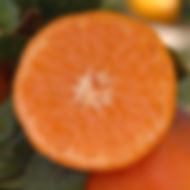


Mandarin Trees Your Way
From seed to container-ready.


How Our Mandarin Trees Are Different
When purchasing Gillette navel orange trees from TreeSource, growers receive clean-propagated, true-to-type material from verified budwood sources. We emphasize uniformity, strong root development, and early structure so trees establish quickly and grow evenly. Shipping is handled in heavy-duty palletized triwall containers designed to secure pots and protect canopies, ensuring trees arrive healthy, stable, and ready to plant.
For orchardists and collectors seeking a classic California navel with heirloom pedigree, the Gillette orange offers a balanced, true-navel eating experience and a reliable mid-season harvest window. Whether planted in commercial rows, boutique groves, or heritage blocks, Gillette connects growers to the foundational era of California citrus — supported today by TreeSource’s clean stock program and professional handling to ensure healthy establishment and long-term success.
Mandarin Trees FAQs
Do you offer discounts for large-scale or bulk orders of Mandarin trees?
At TreeSource, we keep pricing simple, so we rarely offer discounts for large quantities. The exception is our citrus liners, which do have quantity discounts as shown in the price list.
Do you provide any guarantees against citrus greening or other citrus-specific diseases for your mandarin trees for sale?
We do.TreeSource cultivates our mandarin trees in CDFA- and USDA-certified greenhouses and screen houses designed to repel the Asian Citrus Psyllid(ACP), which is a vector of Citrus Greening (HLB). These insect resistant structures also keep other insect-vectored diseases at bay, while the bench design keeps all trees off the floor where fungal disease can infect the root systems. We also use only CDFA certified budwood as a part of the California Clean Stock Program.
What are the best rootstock options for mandarin trees that will be grown in the colder, rainier areas of the United States?
Rich 16-6 trifoliate is well-adapted to wet soil conditions and fosters the highest degree of frost resistance available for citrus. This rootstock is sensitive to higher pH soils where there is a presence of high lime incidence.
What is the typical yield per tree for your mandarin oranges in a commercial setting?
Mandarins are a diverse group of selections, so yield will depend on the variety you choose. In general, mandarin trees bear heavy crops, but some varieties will alternate bear if not managed with an annual pruning program.
What are the recommended watering schedules or irrigation systems for large-scale mandarin citrus production? Does the watering requirement vary based on the specific variety?
Mandarin trees are prone to overwatering, so it’s best to establish a consistent watering schedule, typically once a week.. Using a hose timer can help ensure your citrus trees receive the right amount of water.
Young trees need about 10 gallons of water per week during the spring and fall. If there’s sufficient rainfall, you can skip a week. As your treematures, adjust watering to follow the “drip line”—the outer edge of the tree’s canopy—where the active root zone is located.
When the canopy reaches about 3 feet in diameter, use an in-line drip hose with emitters spaced roughly 2 feet apart. Form a 4-foot diameter circle around the tree, centering it within the ring. For mature trees with a 6-foot canopy, expand the watering area by adding a second drip line circle at 7 feet in diameter, keeping the original 4-foot circle in place. Always avoid watering directly at the trunk, especially for older trees.
Potted citrus trees require a different approach. They need more frequent watering, often daily during hot weather.