-CMYK-Logo.png)
-CMYK-Logo.png)
Persian Lime Trees for Sale
Citrus made easy for growers, nurseries, and distributors
TreeSource Citrus Nursery is renowned for its exceptional quality and robust growth of Persian lime trees. Specializing in this particular lime variety, our nursery ensures that each tree is nurtured with the utmost care and expertise. We cultivate healthy and productive citrus Persian lime trees using a range of rootstocks, including Carrizo, Volkameriana, and Macrophylla. These rootstocks are selected for their ability to enhance the growth and yield of the Persian lime trees, ensuring that our customers receive only the best plants.


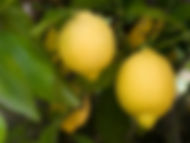


Persian Lime Citrus Trees Your Way
From seed to container-ready.


How Our Persian Lime Citrus Trees Are Different
When purchasing Gillette navel orange trees from TreeSource, growers receive clean-propagated, true-to-type material from verified budwood sources. We emphasize uniformity, strong root development, and early structure so trees establish quickly and grow evenly. Shipping is handled in heavy-duty palletized triwall containers designed to secure pots and protect canopies, ensuring trees arrive healthy, stable, and ready to plant.
For orchardists and collectors seeking a classic California navel with heirloom pedigree, the Gillette orange offers a balanced, true-navel eating experience and a reliable mid-season harvest window. Whether planted in commercial rows, boutique groves, or heritage blocks, Gillette connects growers to the foundational era of California citrus — supported today by TreeSource’s clean stock program and professional handling to ensure healthy establishment and long-term success.
Persian Lime Citrus Trees FAQs
What are the main differences between your Persian lime trees and other commercially available lime varieties?
The main differences between our Persian lime trees and other commercially available lime varieties are their size, flavor, and growing characteristics. Persian limes, also known as Tahiti or Bearss limes, are larger and seedless compared to Key limes, which are smaller and contain seeds. The Persian lime has a thicker skin, making it more durable for shipping and handling.
Persian limes are less acidic and milder in flavor than Mexican limes, which are tart and slightly bitter. This makes Persian limes more versatile for culinary use, as they can be used in a variety of dishes and beverages without overpowering other flavors.
Additionally, Persian lime trees are nearly thornless and more hardy, making them easier to grow and maintain. They also have a longer shelf life, which is beneficial for commercial purposes. These characteristics make Persian lime trees a popular choice for both home gardeners and commercial growers.
Do your Persian lime trees have specific harvest seasons, or can they produce fruit year-round in optimal conditions?
At TreeSource Citrus Nursery, our Persian lime trees can produce fruit year-round in optimal conditions. While they tend to bear the most fruit in the winter, they are capable of producing limes throughout the year in more tropical climates. This continuous fruiting is one of the reasons why Persian lime trees are so popular among growers and consumers alike.
The fruit typically takes 4-6 months to mature and ripen, and will turn yellow in Mediterranean climates. Persian limes are an excellent choice for those looking to have a consistent supply of fresh limes. Whether you’re growing them in a garden or a container, these trees are versatile and productive.
What size are the Persian lime Citrus Liners when shipped (e.g., height, root ball size)?
Our Persian lime Citrus Liners are grown in a 1.2” x 8” cone to promote healthy root growth in a pest and disease-free environment. These liners are cultivated in a soil-free media, adhering to most phytosanitary regulations for international shipping.
When shipped, the Persian lime tree liners typically measure 12-18 inches in height. Each liner has a 7-inch long rootball, which can be trimmed back moderately to fit into a shorter pot if needed. Our standard is a 5-leaf pushout of each liner, ensuring robust and healthy growth.
Once received, the liner is ready to be transplanted into any desired container size, making it convenient for nurseries to manage.
What is the estimated transit time for shipping Persian lime trees, and how should they be stored upon arrival to minimize transplant shock?
The estimated transit time for shipping Persian lime trees varies depending on the shipping destination. At TreeSource, we ship our orders on Mondays to ensure they have the remainder of the week for travel and arrival. Prior to shipping, we acclimate our citrus to ensure safe travel and reduce shock. Upon arrival, we recommend transplanting Citrus Liners into a 1-gallon container for growing on.
To minimize transplant shock, it is essential to store the trees at optimal temperatures. Ideally, Persian lime trees should be kept between 65°F and 85°F1. Avoid exposing them to temperatures below 50°F, as this can cause stress and damage. Ensuring proper storage conditions will help your Persian lime trees thrive once transplanted.
Do you offer any guarantees or replacement policies for Persian lime trees that fail to establish after planting?
At TreeSource Citrus Nursery, we ship Persian lime trees that meet our high standards of quality to minimize the risk of failure upon arrival. Our meticulous growing methods and attention to detail help ensure that each tree is healthy and robust. However, we understand that incidents can happen during transit, which may affect the trees.
In such cases, we are committed to investigating each situation closely to determine the best course of action. We aim to find a solution to ensure your satisfaction and successfully establish your Persian lime trees. We take every report seriously and work diligently to address any issues that may arise.