Built From the Ground Up: Choosing the Best Citrus Rootstock for California Orchards
A citrus tree with yellowing leaves or misshapen fruit does not always raise immediate alarms. In many groves, these symptoms appear to be nutrient deficiencies, irrigation stress, or seasonal fluctuations.
That’s why citrus greening disease, or Huanglongbing (HLB), has become a serious concern for commercial growers.
By the time symptoms become unmistakable, infected trees may already be producing lower-quality fruit, declining in overall vigor, and putting surrounding trees at risk. Early recognition gives growers a better chance to respond strategically, evaluate the health of nearby plant material, and make informed decisions for the future of the operation.
The challenge is knowing what separates HLB from more routine citrus issues.
In this guide, we’ll break down the early symptoms of HLB, how the disease progresses over time, and why starting with certified citrus plants remains an important part of supporting long-term grove health.
Table of Contents
- Understanding Citrus Greening and Why Early Detection Matters
- The Global Impact and Ongoing Challenge of Huanglongbing (HLB) in Citrus Production
- What Are the Symptoms of Citrus Greening Disease? 7 Signs You Don’t Want To Ignore
- How Citrus Greening Progresses Over Time
- Can Citrus Greening Be Stopped?
- Get Your Crop Off to a Healthy Start With Citrus Plants From TreeSource
Understanding Citrus Greening and Why Early Detection Matters
HLB has altered the management of citrus and citrus nurseries across many regions, primarily because it is efficiently vectored by the Asian Citrus Psyllid (ACP) and can spread through a growing site long before obvious indicators in the tree appear. For commercial growers, identifying it early is key to protecting grove health, sustaining fruit quality, and limiting long-term production losses.
HLB represents one of the most severe biological threats ever to citrus production systems worldwide. Once established in a region, it fundamentally changes how citrus must be grown and managed, increasing production complexity and long-term risk across commercial operations.
What HLB Is and How It Spreads
Huanglongbing (HLB), also known as citrus greening, is a form of bacterial disease that affects citrus trees and other plants in the citrus family. It is widely regarded as the most destructive disease ever to impact the global citrus industry. Caused by the bacterium Candidatus Liberibacter asiaticus, HLB infects the tree’s phloem, disrupting the movement of nutrients and carbohydrates throughout the plant, and is spread primarily by the Asian citrus psyllid.
The Asian citrus psyllid is a small sap-feeding insect that carries the bacteria from infected trees to healthy ones during feeding. Once a tree becomes infected, the bacteria move through the vascular system, disrupting the tree’s ability to transport nutrients effectively. Over time, this leads to declining tree health, reduced fruit quality, lower yields, and eventually tree death.
One of the biggest challenges for growers is that affected trees may look relatively healthy during the early stages of infection. Meanwhile, psyllids can continue spreading the disease throughout a grove if populations are not identified and managed preemptively.
Because there is currently no known cure for citrus greening disease, early detection and proactive management remain essential parts of long-term citrus production planning.
Why Symptoms Often Linger Before Growers Realize There’s a Problem
The unassuming nature of citrus greening disease allows it to develop quietly within a grove long before growers recognize the extent of the issue. Early-stage HLB does not always present clear or immediate warning signs, which makes risk identification more difficult during routine grove management. That delay can create a false sense of stability while the disease continues progressing internally and spreading through psyllid activity. This is why PREVENTION is fundamental to battling the disease.
For commercial operations managing large acreage, subtle changes can be especially difficult to catch at the outset. Variability between blocks, seasonal stressors, weather conditions, and standard production challenges can all make early intervention more complicated.
By the time performance declines become more noticeable, you will already have broader exposure throughout the grove.
If you’re planning your next propagation cycle, contact TreeSource to request current availability, secure certified rootstock orders, and get guidance from expert cultivators on the best varieties for your commercial growing operation.
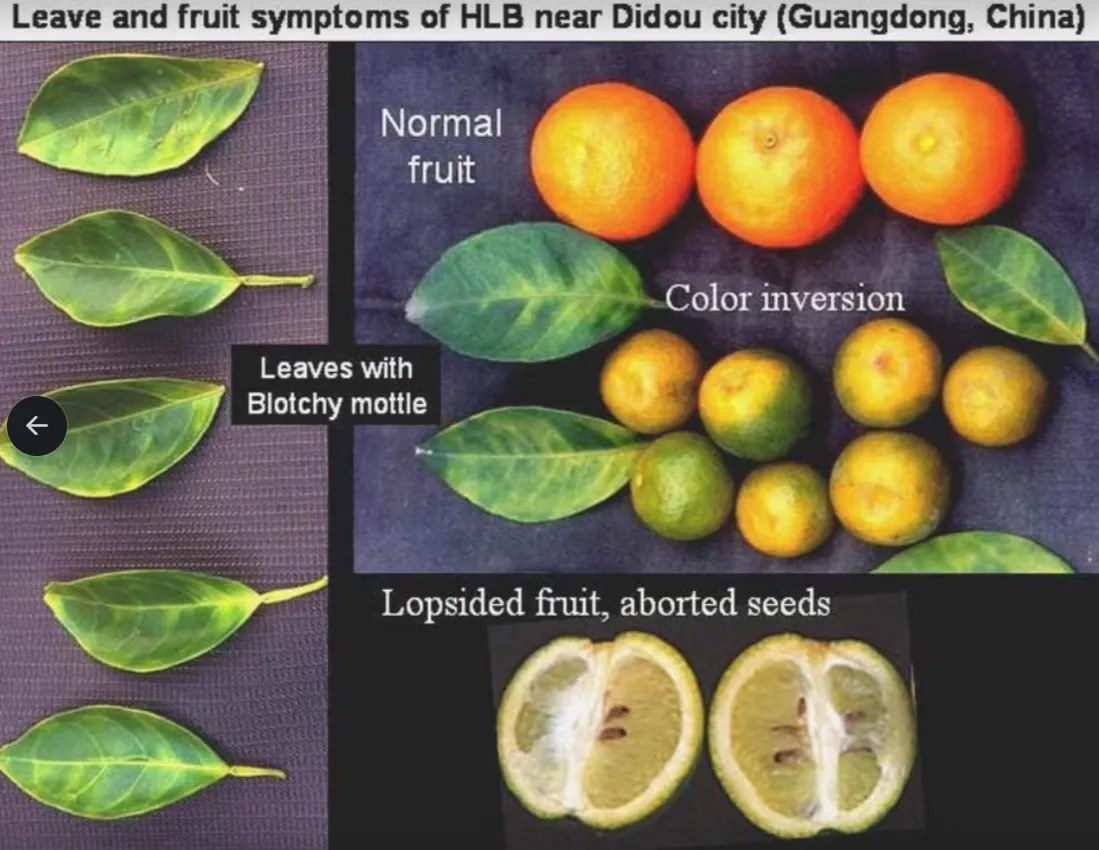
Photo by JM Bove, used with permission of the International Organization of Citrus Virologists. Iocv.org
The Global Impact and Ongoing Challenge of Huanglongbing (HLB) in Citrus Production
The worldwide impact of Huanglongbing has been catastrophic. Since its spread through major citrus-producing regions in Asia, Brazil, the United States, and elsewhere, HLB has destroyed millions of trees and caused billions of dollars in economic losses.
In Florida, citrus production has declined by more than 90% from its peak, with HLB recognized as the primary driver of the industry’s collapse. Similar challenges have forced growers around the world to increase production costs through intensive psyllid control, tree replacement, and enhanced nutrition programs.
Today, HLB represents the greatest biological threat facing global citrus production. The disease has fundamentally changed how citrus is grown, increasing costs, reducing profitability, and threatening the long-term sustainability of citrus industries worldwide.
What Are the Symptoms of Citrus Greening Disease? 7 Signs You Don’t Want To Ignore
Citrus greening symptoms can appear gradually and inconsistently across a production site, which is part of what makes the disease difficult to discover. Some trees may show only minor changes at first, while others decline more rapidly over time.
While these symptoms do not automatically confirm HLB, they are important irregularities growers should track closely.
#1: Yellowing Leaves With Uneven Patterns
One of the most recognizable signs of citrus greening disease is blotchy, uneven yellowing on the leaves called “blotchy mottle.”
Unlike traditional nutrient deficiencies, which often create more uniform discoloration across the leaf, HLB-related yellowing appears asymmetrical and irregular. Different sections of the same leaf display inconsistent coloring patterns.
This symptom can appear on isolated branches before spreading more noticeably throughout the tree.
#2: Stunted or Uneven Tree Growth
Infected trees often struggle to maintain consistent growth and vigor compared to healthy citrus trees nearby.
Some may appear smaller, thinner, or less developed within the same block. New growth may slow over time, and canopy density can become increasingly uneven as the disease progresses.
When multiple trees begin showing inconsistent development patterns, growers may need to investigate further for underlying disease pressure.
#3: Small, Misshapen, or Lopsided Fruit
Fruit deformities are another common indicator of citrus greening disease.
Affected fruit may remain undersized, develop unevenly, or appear lopsided as it matures. In some cases, fruit shape irregularities become more noticeable closer to harvest.
These abnormalities can reduce marketability and create broader concerns around crop consistency and pack-out quality.
#4: Fruit That Tastes Bitter or Off-Flavor
HLB can affect internal fruit quality even before external symptoms become severe.
Fruit from infected trees may develop a bitter, sour, or otherwise off-putting flavor profile that differs from normal citrus characteristics. Juice quality will also decline as the disease impacts overall fruit development.
For commercial growers, these quality changes can directly impact customer expectations and overall crop value.
#5: Premature Fruit Drop
Trees affected by citrus greening disease will begin dropping fruit before it fully matures.
Premature fruit drop becomes increasingly apparent as tree health declines, leading to reduced yields and greater production losses over time.
When fruit retention patterns begin changing unexpectedly across portions of a grove, it may warrant closer inspection.
#6: Thick, Pale, or Discolored Leaf Veins
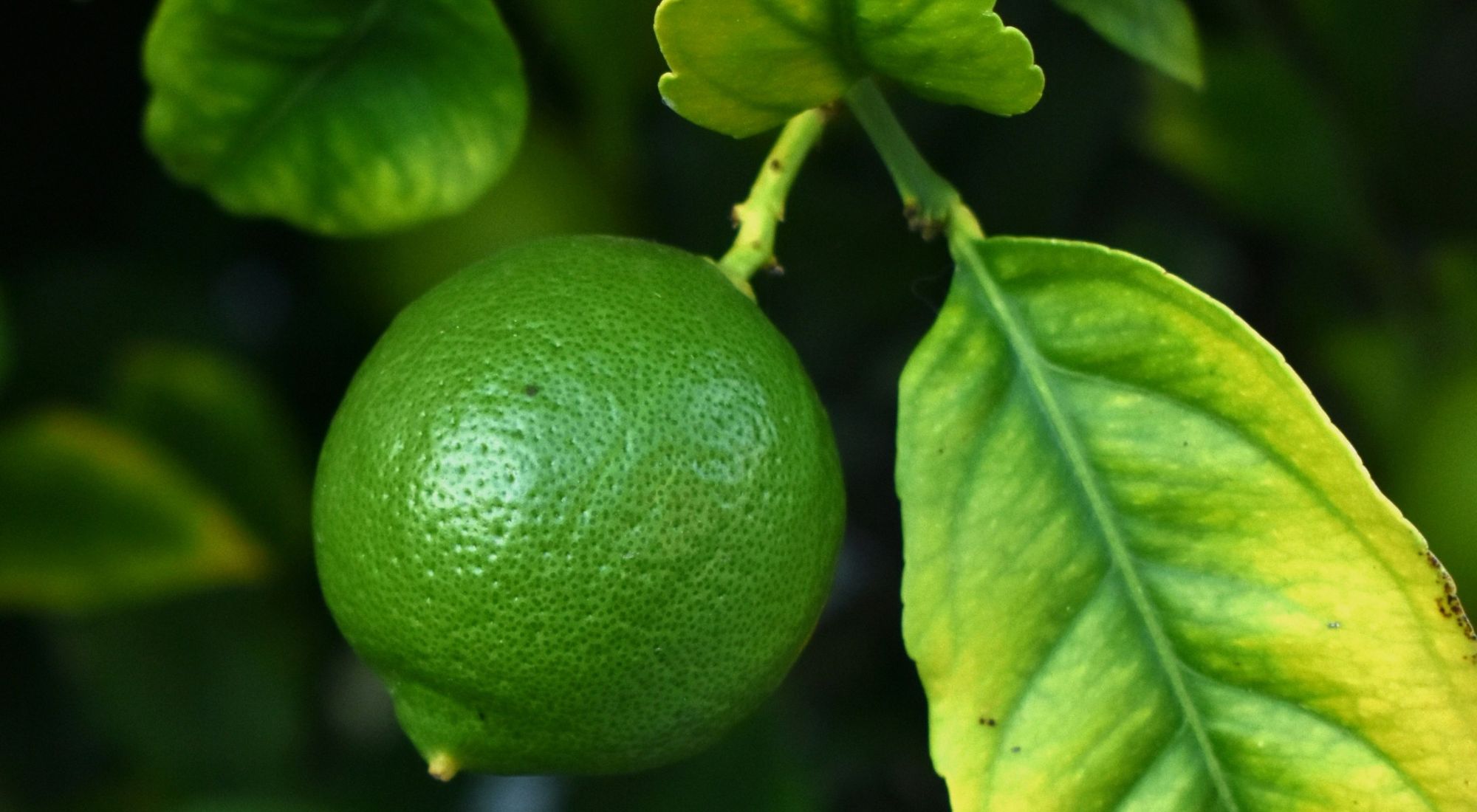
Leaf veins may appear enlarged, corky, pale, or discolored compared to healthy foliage.
These vascular changes reflect the disease’s impact on the tree’s nutrient transport system. Vein discoloration may appear alongside other canopy symptoms or develop independently during earlier stages of infection.
Because these changes can be subtle initially, routine scouting remains important.
#7: Dieback of Branches
As citrus greening progresses, sections of the tree may begin declining from the outer branches inward.
Branch dieback often leads to thinning canopies, reduced foliage density, and overall loss of tree vitality. Over time, heavily infected trees may become increasingly unproductive and difficult to maintain commercially.
How Citrus Greening Progresses Over Time
Citrus greening disease typically sets in gradually, with symptoms becoming more severe over months and sometimes years. Trees may continue producing fruit during the earlier stages of infection, which can make the disease seem manageable at first.
Internally, however, the bacteria continue disrupting the tree’s nutrient transport system. As that damage progresses, overall tree health begins to decline more evidently.
It’s important to note that once citrus greening becomes established within a tree, the damage cannot be reversed. Disease-free replacement trees, aggressive ACP control measures, meticulous grove assessment, early recognition, and proactive decisions are necessary for long-term citrus operations.
Why Infected Trees Become Less Productive Over Time
HLB weakens a tree’s ability to move nutrients throughout the plant, which directly affects fruit production. As the disease advances, trees produce fewer marketable fruit with less consistency from season to season.
To support healthier grove development from the start, growers source certified plant material.
TreeSource supplies USDA- and CDFA-certified citrus liners, rootstocks, seeds, and citrus plants for commercial growers, nurseries, and distributors nationwide.
Contact TreeSource to discuss certified citrus availability and commercial supply options for your operation.
Can Citrus Greening Be Stopped?
There is currently no cure for citrus greening disease once a tree becomes infected.
Management efforts focus on:
- Removing infected trees
- Slowing the spread of the disease
- Reducing psyllid populations
- Protecting healthy citrus plant material inside ACP-resistant structures such as CUPS.
Lasting success depends on a proactive approach that combines monitoring, prevention, and strategic management.
What Growers Can Do To Slow or Manage the Disease
Because HLB spreads through the Asian citrus psyllid, vector control remains a critical part of disease management. Many commercial operations implement integrated pest management programs designed to monitor psyllid activity and reduce populations before they spread bacteria throughout a growing environment.
Management strategies often include:
- Routine grove scouting and monitoring
- Psyllid control programs
- Removal of infected trees
- Tracking symptom development across blocks
- Coordinating disease management efforts across neighboring operations
Citrus greening management is not typically resolved through a single treatment or seasonal response. Successful programs rely on ongoing observation, fast identification of potential issues, and cooperation of government and industry.
The Role of Prevention in Protecting Healthy Citrus Trees
For all commercial growers and nurseries, prevention starts with sourcing clean, certified citrus plant material from trusted suppliers. Healthy planting stock reduces the risk of introducing disease into new plantings and supports stronger grove establishment from the beginning.
Prevention strategies may also include:
- Maintaining active psyllid eradication programs
- Monitoring nearby groves and surrounding citrus populations
- Inspecting new plant material carefully
- Selecting tolerant rootstock for growing conditions and production goals
- Working with experienced nursery partners that prioritize certification and plant health standards
As disease pressure continues affecting citrus production, prevention and planning have become increasingly important parts of operational stability.
Get Your Crop Off to a Healthy Start With Citrus Plants From TreeSource
TreeSource has supplied certified citrus plant material to commercial growers, nurseries, and distributors for decades, building a reputation for quality, consistency, and large-scale production expertise.
As the largest citrus nursery on the West Coast, TreeSource provides USDA- and CDFA-certified citrus liners, rootstocks, seeds, and citrus trees backed by expanded production capacity and rigorous plant health standards.
Whether you are developing new acreage, expanding nursery inventory, or planning future citrus production, TreeSource helps commercial operations source reliable disease-free plant material designed to support long-term grove performance.
TreeSource ships certified citrus plants anywhere citrus is accepted nationwide (except Texas and Florida), with a team experienced in supporting both horticultural and agricultural operations at scale.
Contact TreeSource today to discuss availability, rootstock selection, liner programs, and commercial citrus tree supply options for your operation.